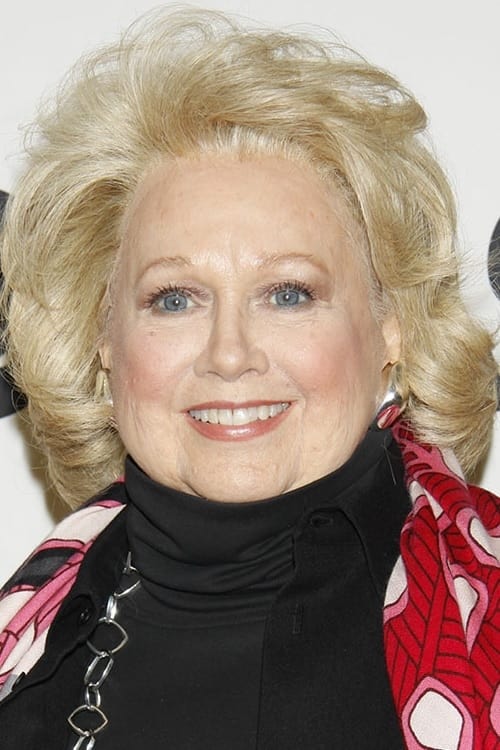
Barbara Cook
Known For
Acting
Born
1927-10-25 in Atlanta, Georgia, USA
Died
2017-08-08
Biography
Barbara Cook (October 25, 1927 - August 08, 2017) was an American singer and actress who first came to prominence in the 1950s after starring in the original Broadway musicals Candide (1956) and The Music Man (1957), among others, winning a Tony Award for the latter. She continued performing mostly in theatre until the mid 1970s, when she began a second career as a cabaret and concert singer. During her years as Broadway’s leading ingénue, Cook was lauded for her excellent lyric soprano voice. She was particularly admired for her vocal agility, wide range, warm sound, and emotive interpretations. As she aged her voice took on a darker quality, even in her head voice, that was less prominent in her youth. Today Cook is widely recognized as having been one of the "premier interpreters" of musical theatre songs and standards, in particular the songs of composer Stephen Sondheim. Her subtle and sensitive interpretations of American popular song continued to earn high praise even into her eighties. Description above from the Wikipedia article Barbara Cook,licensed under CC-BY-SA, full list of contributors on Wikipedia.
Most Known For

Great Performances
as Sally Durant Plummer
The Merv Griffin Show
as Self

The Dick Cavett Show
as Self - Guest

The Ed Sullivan Show
as Self
Alfred Hitchcock Presents
as Barbie Hallem

The Dinah Shore Chevy Show
as Kitty Malone
Thumbelina
as Mother (voice)
The Bell Telephone Hour
as Self

Golden Windows

The Match Game
as Team Captain
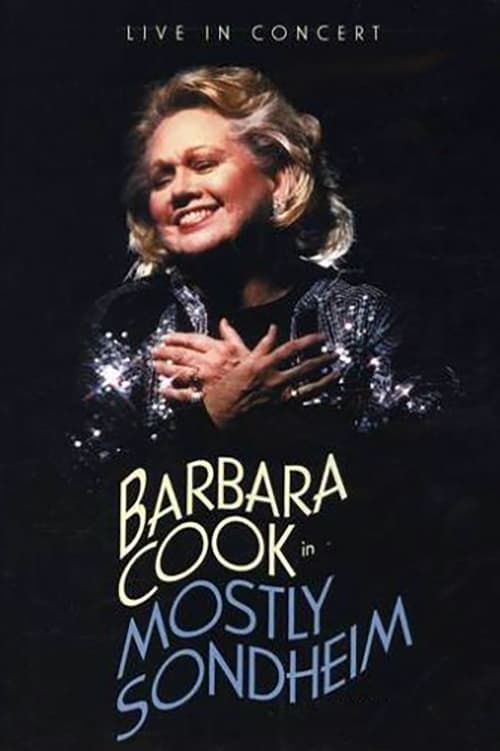
Mostly Sondheim
as Herself
Hallmark Hall of Fame
as Elsie Maynard
Broadway: The Golden Age, by the Legends Who Were There
as Self
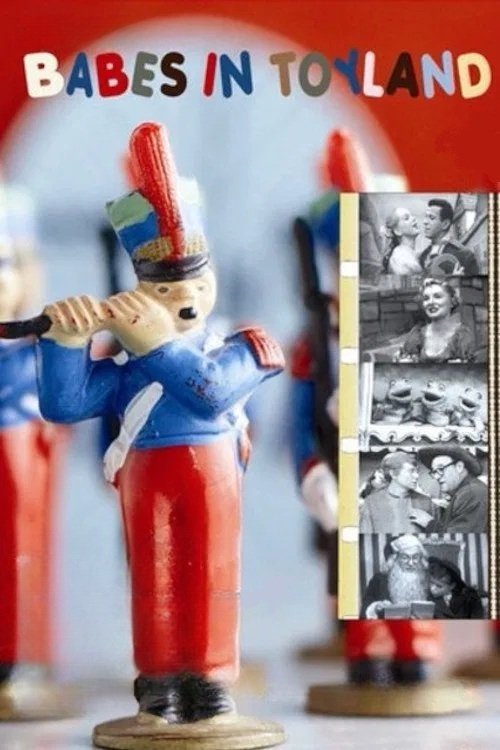
Babes in Toyland
as Jane Piper
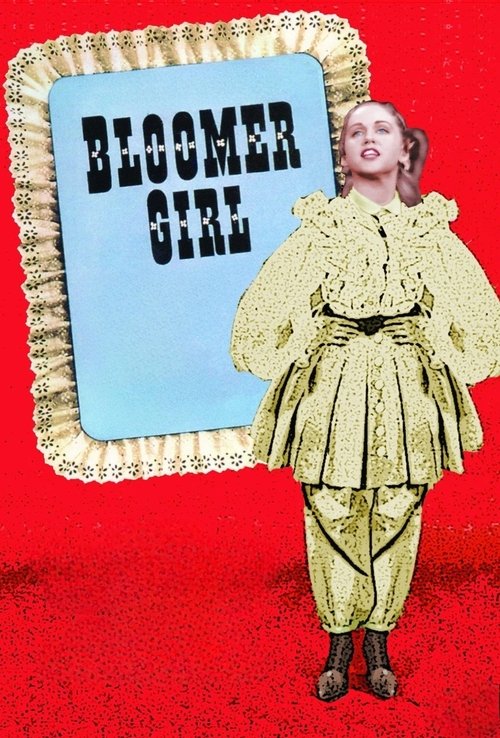
Bloomer Girl
as Evelina Applegate
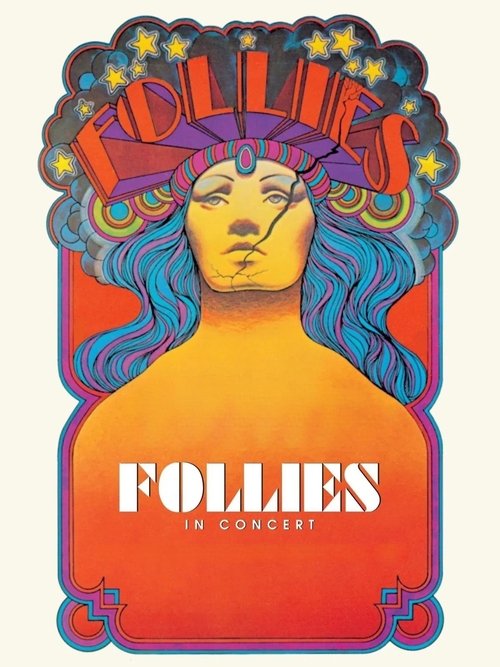
Follies: In Concert
as Sally Durant Plummer
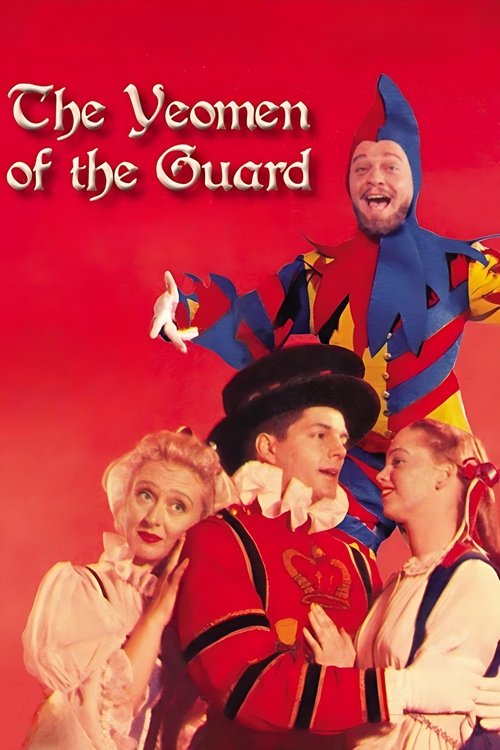
The Yeomen of the Guard
as Elsie Maynard
Sing! Sesame Street Remembers Joe Raposo and His Music
as Self
A Benefit Celebration: A Tribute to Angela Lansbury
as Self
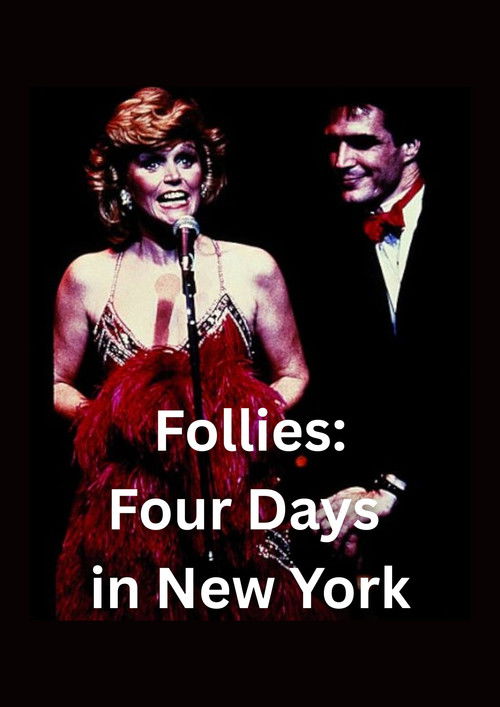
Sondheim on Broadway: Follies - Four Days in New York
as Self