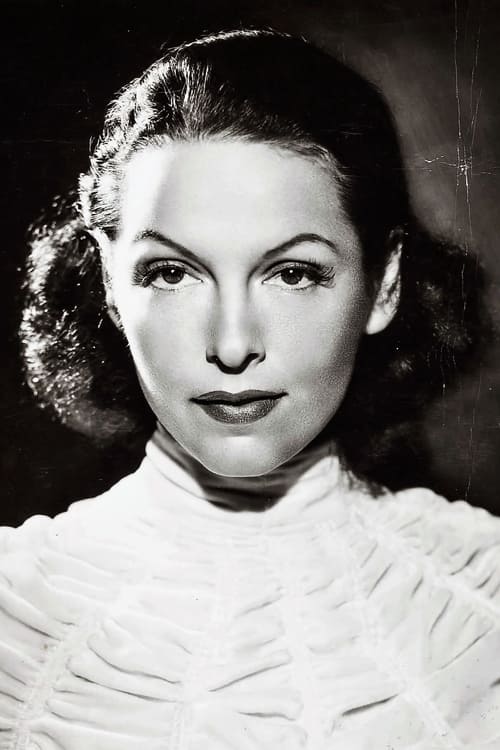
Gale Sondergaard
Known For
Acting
Born
1899-02-12 in Litchfield, Minnesota, USA
Died
1985-08-14
Biography
From Wikipedia, the free encyclopedia. Gale Sondergaard (February 15, 1899 – August 14, 1985) was an American actress. Sondergaard began her acting career in theatre, and progressed to films in 1936. She was the first recipient of the Academy Award for Best Supporting Actress for her film debut in Anthony Adverse (1936). She played supporting roles in various films during the late 1930s and early 1940s, including The Cat and the Canary (1939), The Mark of Zorro (1940) and The Letter (1940). She was nominated for a second Best Supporting Actress Academy Award for Anna and the King of Siam (1946) but by the end of the decade her film appearances were fewer. Married to the director Herbert Biberman, Sondergaard supported him when he was accused of communism and named as one of the Hollywood Ten in the early 1950s, and her film career was destroyed as a result. She moved with Biberman to New York City and worked in theatre, and acted in film and television occasionally from late 1960s. She moved back to Los Angeles where she died from cerebrovascular thrombosis. Description above from the Wikipedia article Gale Sondergaard, licensed under CC-BY-SA, full list of contributors on Wikipedia
Most Known For

Get Smart
as Hester Van Hooten
Night Gallery
The Fall Guy

Medical Center
Police Story
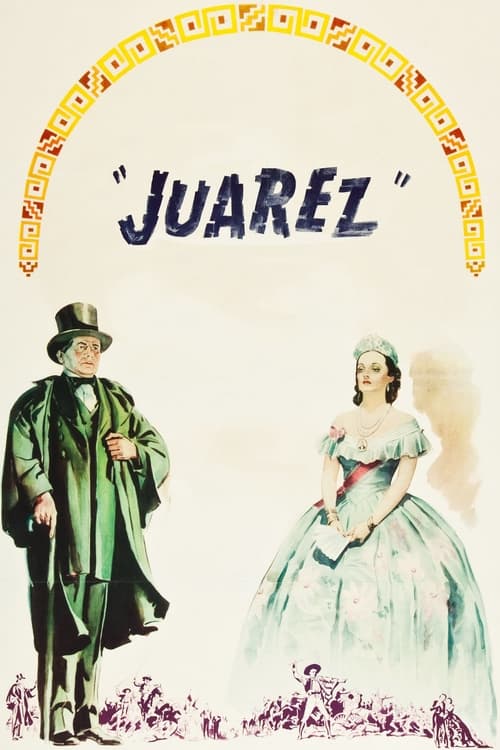
Juarez
as Empress Eugenie
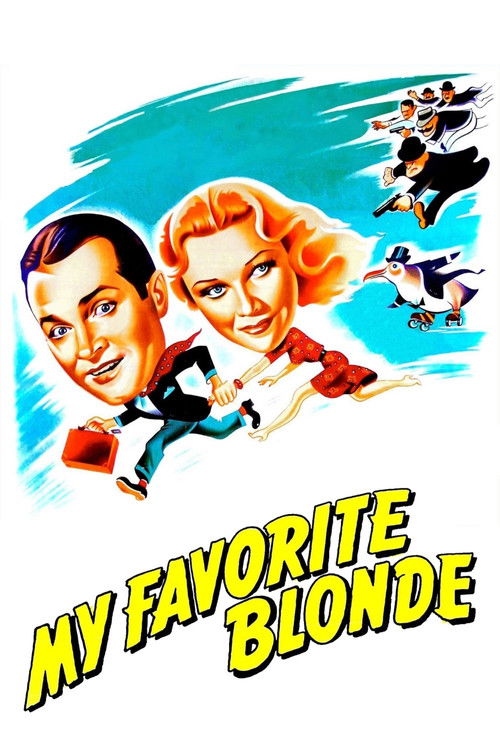
My Favorite Blonde
as Madame Stephanie Runick
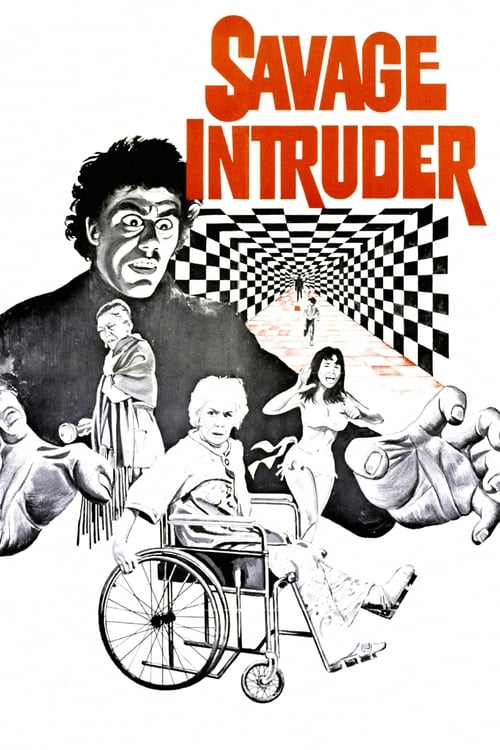
Savage Intruder
as Leslie
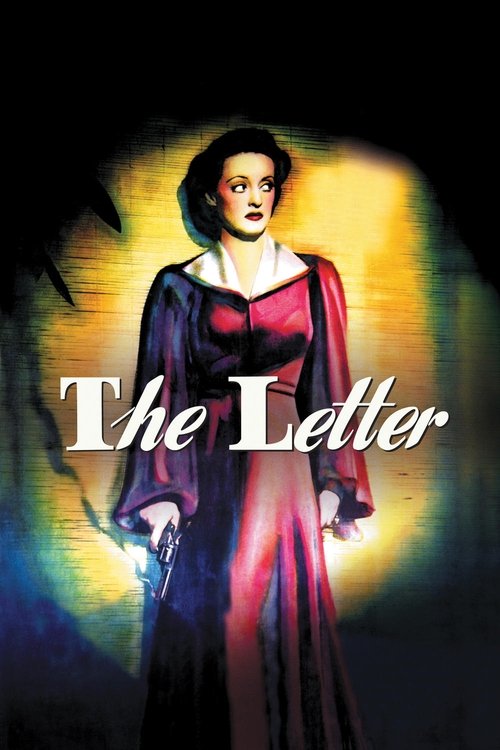
The Letter
as Mrs. Hammond
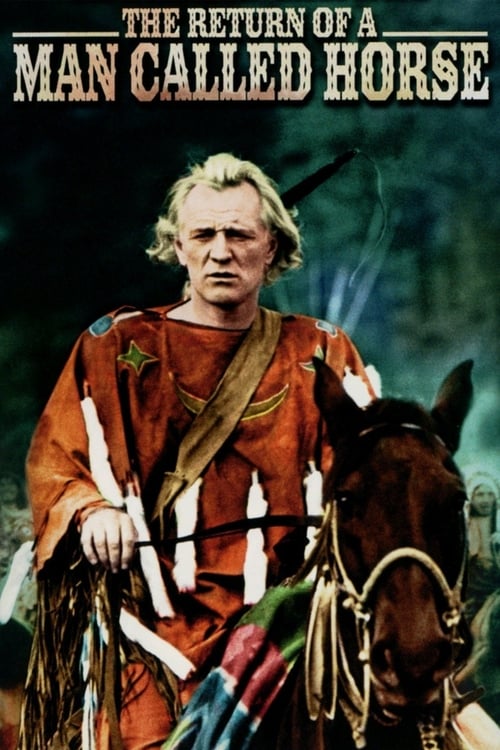
The Return of a Man Called Horse
as Elk Woman
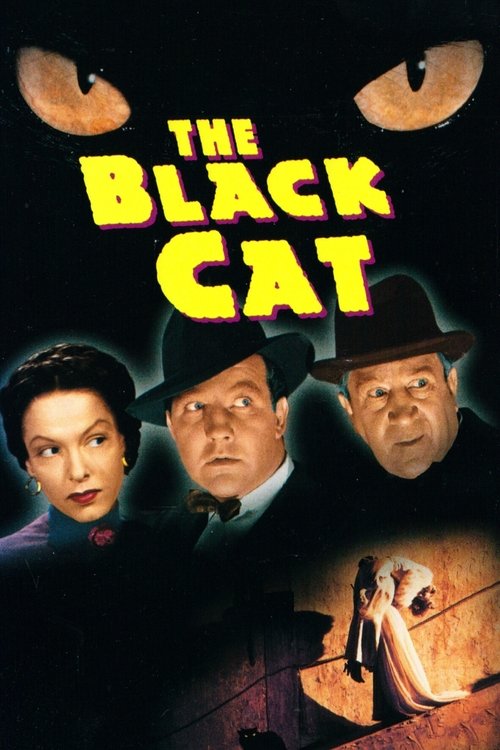
The Black Cat
as Abigail Doone
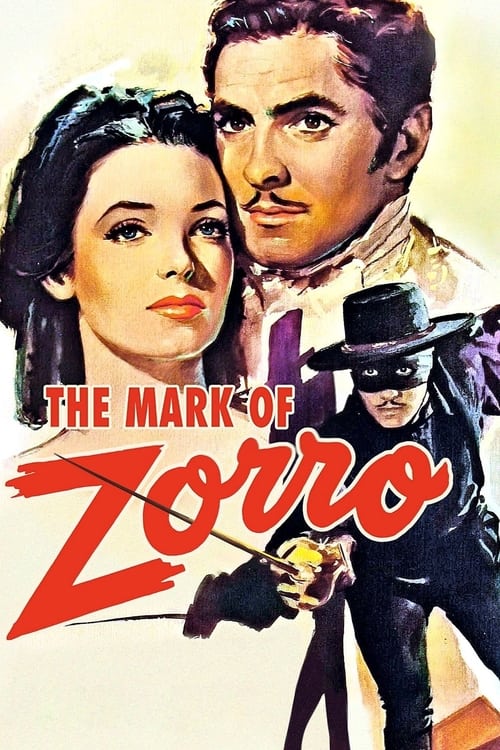
The Mark of Zorro
as Inez Quintero
The Best Of Everything
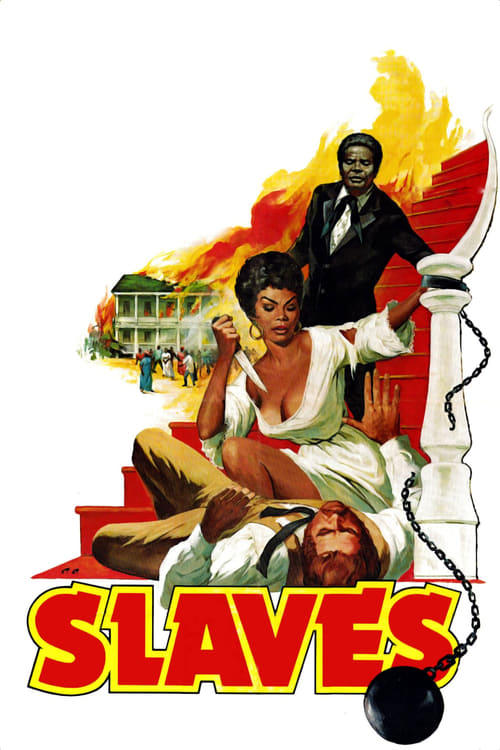
Slaves
as New Orleans lady
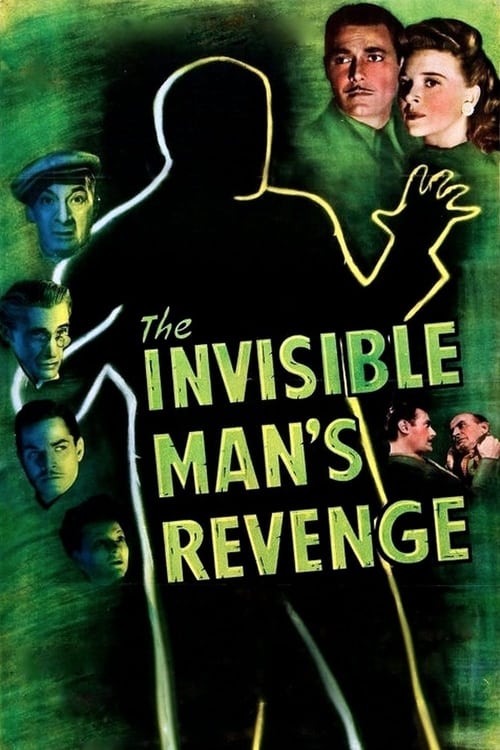
The Invisible Man's Revenge
as Lady Irene Herrick
Tango
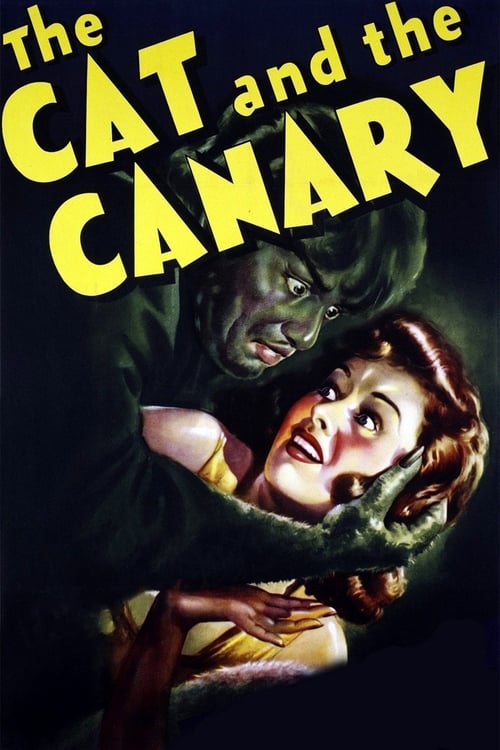
The Cat and the Canary
as Miss Lu
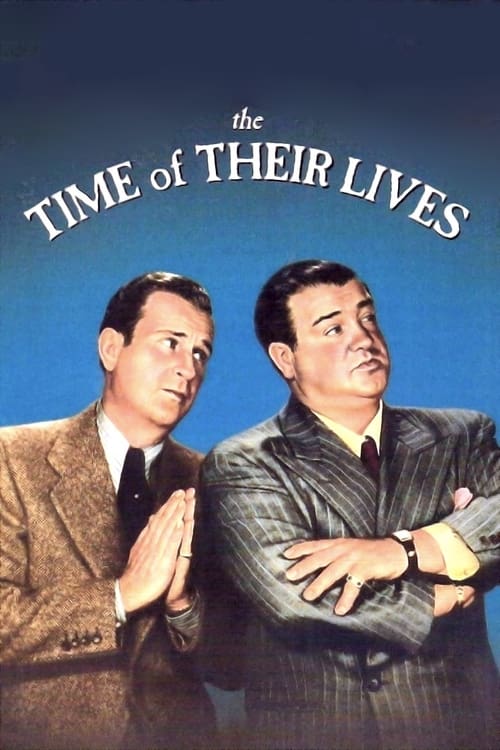
The Time of Their Lives
as Emily
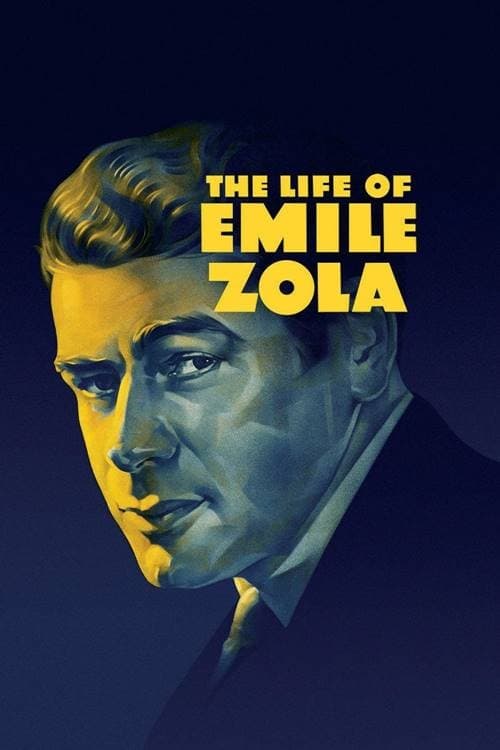
The Life of Emile Zola
as Lucie Dreyfus
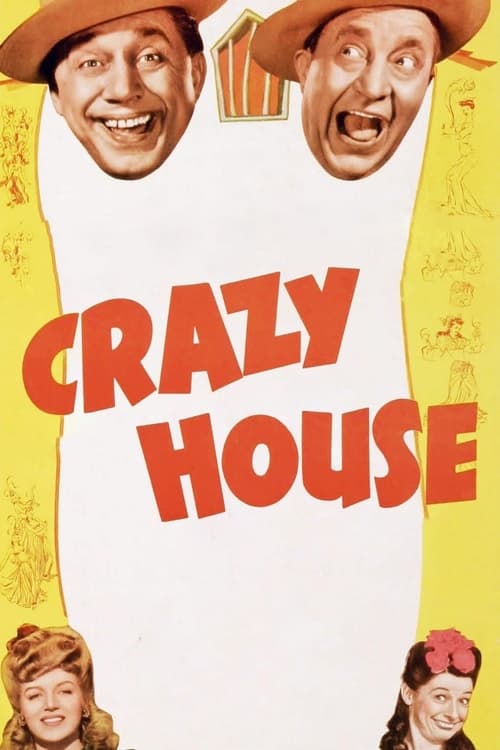
Crazy House
as Cameo Appearance