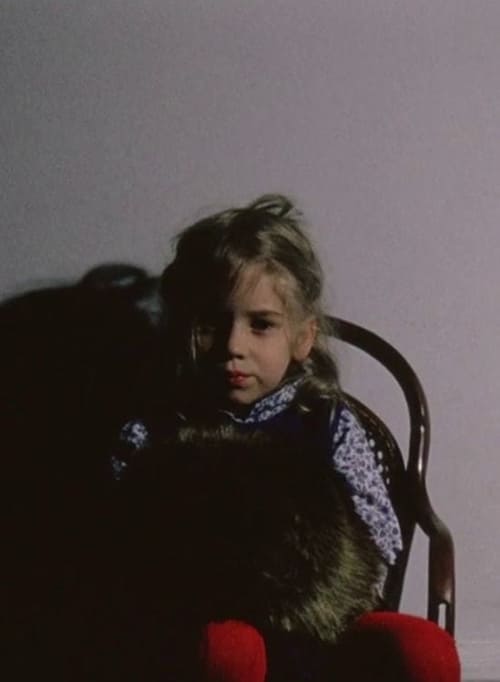
Ken Jacobs
Known For
Directing
Born
1933-05-25 in Williamsburg, Brooklyn, New York, USA
Died
2025-10-05
Biography
A pioneer of the American film avant-garde of the 1960s and '70s, Ken Jacobs is a central figure in post-war experimental cinema. From his first films of the late 1950s to his recent experiments with digital video, his investigations and innovations have influenced countless artists. A New Yorker by birth, Jacobs graduated from City University to find himself in the midst of the downtown art scene of the 1960s, which included artists Robert Rauschenberg and Andy Warhol, beat writers Allen Ginsberg and Jack Kerouac; and the experimental theater troupes of Trisha Brown and Yvonne Rainer. Although Jacobs had studied painting with Hans Hoffman, he quickly gravitated to film, finding kindred spirits in radical filmmakers such as Jonas Mekas and Hollis Frampton. An early friendship with Jack Smith yielded several collaborations, including the seminal underground films Blonde Cobra (which Jonas Mekas dubbed "the masterpiece of Baudelairean cinema") and Little Stabs at Happiness, as well as a Provincetown beach-based live show, The Human Wreckage Review.
Most Known For
What Is Cinema?
as Self
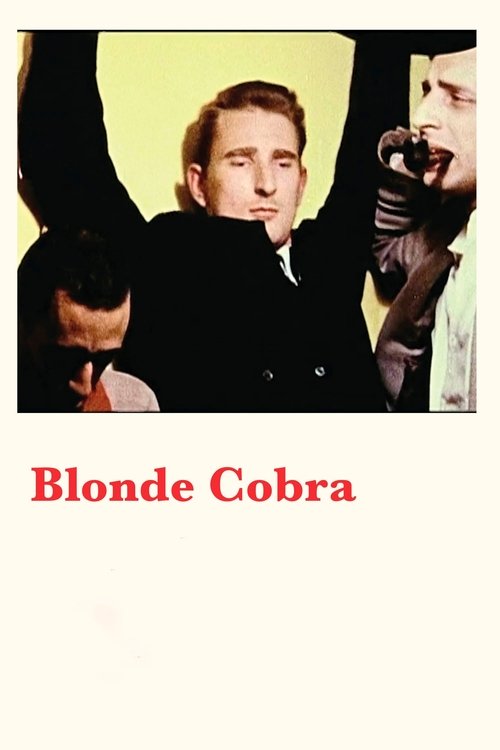
Blonde Cobra
Diaries, Notes, and Sketches
as Self
As I Was Moving Ahead, Occasionally I Saw Brief Glimpses of Beauty
as Self
Lost, Lost, Lost
as Self
Home Movies 1971-81
Free Radicals: A History of Experimental Film
as Himself

Art Spiegelman: Disaster Is My Muse
as Self

365 Day Project
as Self

Art-House America: Austin Film Society
as Self

Jack Smith and the Destruction of Atlantis
as Self
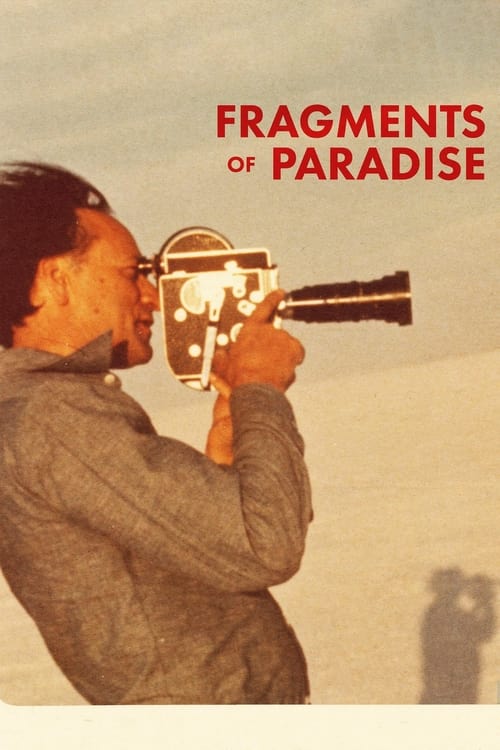
Fragments of Paradise
as Self
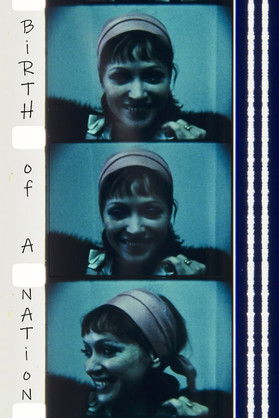
Birth of a Nation
as Self
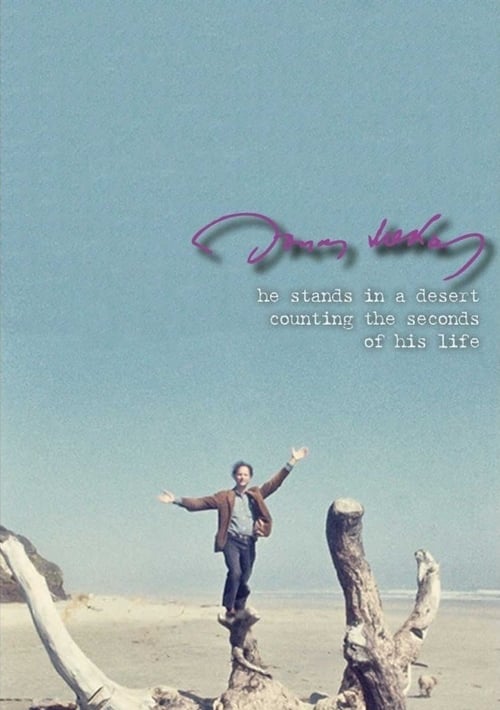
He Stands in a Desert Counting the Seconds of His Life
as Self (archive footage)
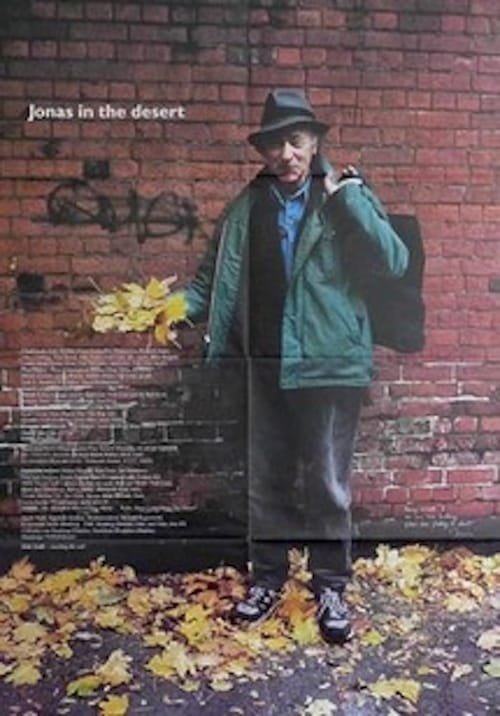
Jonas in the Desert
as Self
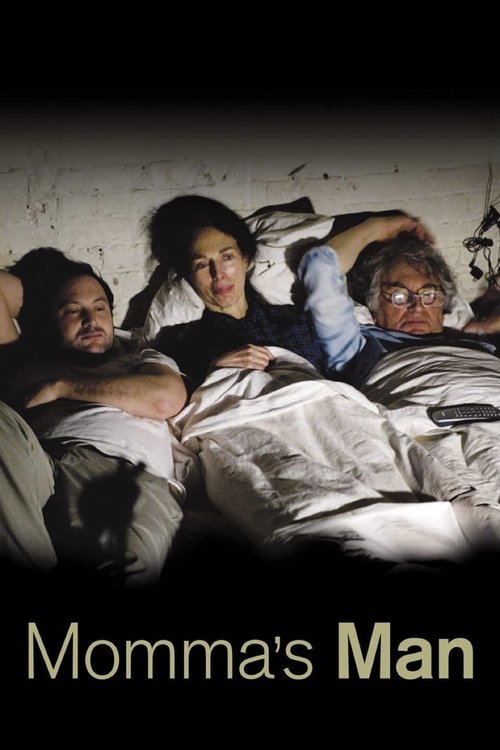
Momma's Man
as Dad
Lavender
as Self
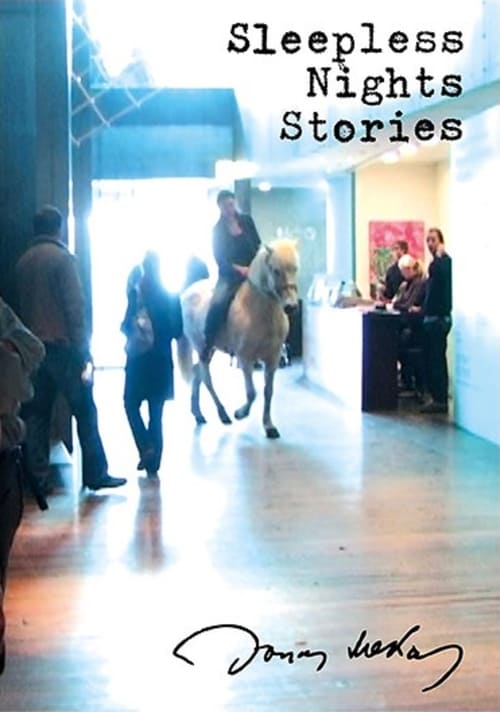
Sleepless Nights Stories
as Self
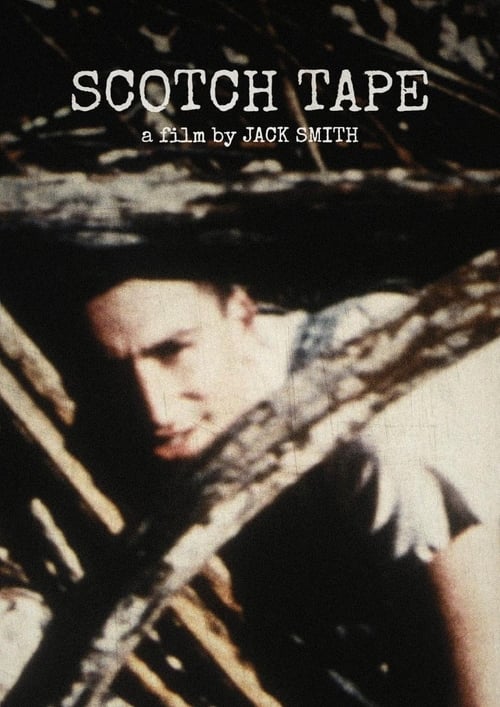
Scotch Tape